A few words about
What We Do
Discover Our Programmes
Sustainable Food Security & livelihood
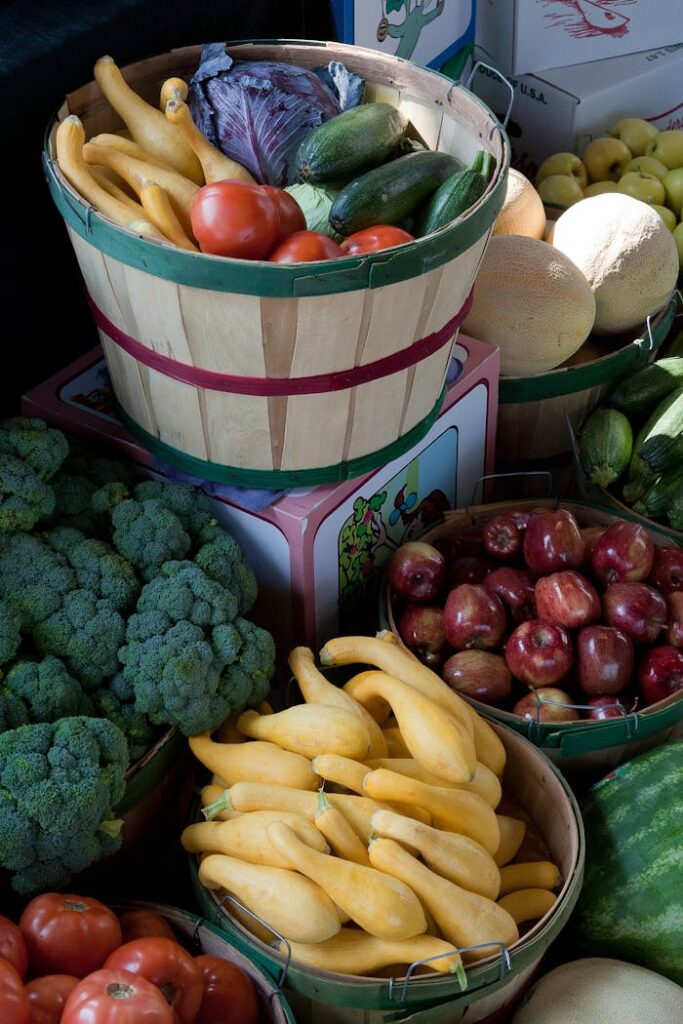
Our Sustainable livelihood programs help families increase production, diversify incomes, save for the future and ensure that their children are well-nourished, so that they thrive and reach their full potential. They also help to improve long-term food security and increase resilience to shocks and stresses with context-specific, integrated approaches. In all programs, inclusive humanity is always sensitive to the roles of women, men, boys and girls in promoting food security as well as the need to safeguard natural resources for current and future generations. Through a mix of interventions tailored to the specific contexts of communities facing poverty and food insecurity, we are able to make a sustainable difference for families in need.
Gender Equality and Social Inclusion
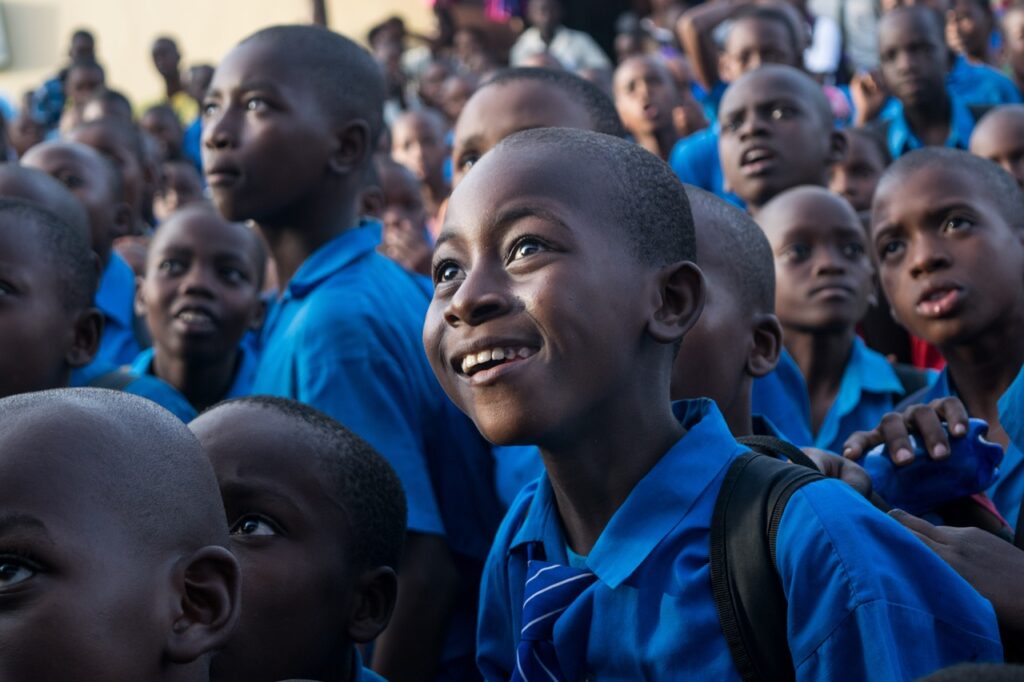
Gender inequality and social exclusion lead to unfair outcomes worldwide. In 2021, 19% of young women were married as children, facing higher risks of mental health issues, adolescent pregnancy, childbirth complications, and domestic violence. Their children also face increased mortality rates. Children with disabilities experience significant exclusion, with a 34% higher likelihood of being stunted and a 49% higher chance of never attending school compared to their non-disabled peers.
Promoting gender equality and social inclusion benefits everyone. Achieving this requires empowering marginalized populations, partnering with organizations for people with disabilities and women- and girl-led groups, and engaging faith leaders and communities to advocate for these issues.
Climate Change
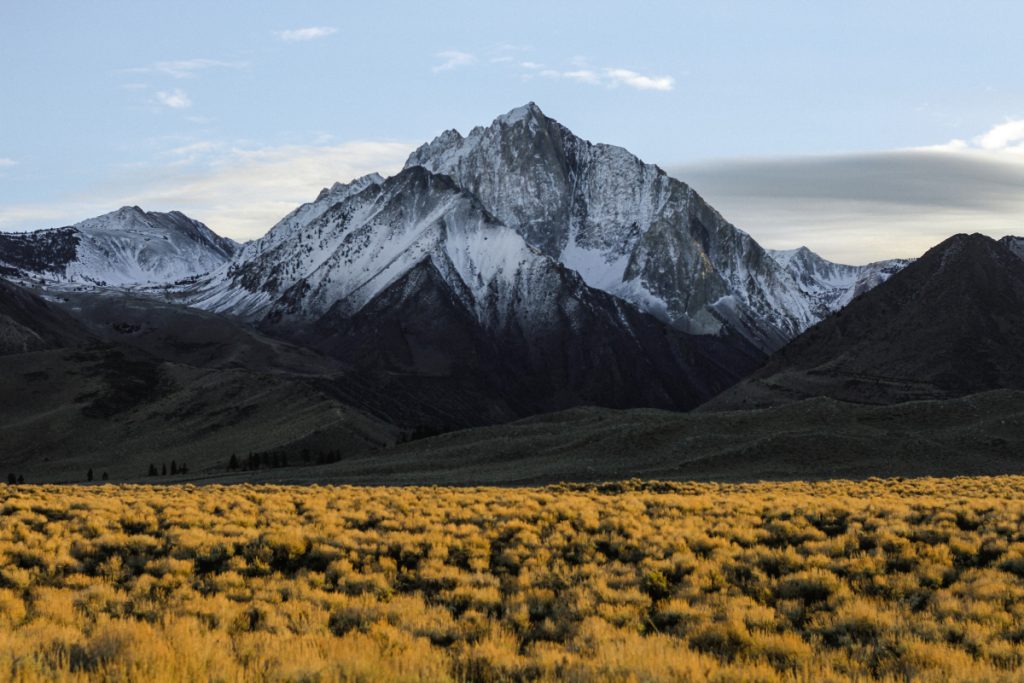
Our environmental stewardship and climate action work aims to address both the impacts and the causes of climate change, and deliver positive development outcomes for children. We work with communities through models such as Ecosystem Restoration to restore the environment, embed disaster risk reduction strategies and promote sustainable agri-food systems. We support children and youth to join their communities in advocating for climate action through Citizen Voice and Action, as well as on the international stage at events such as COP.
Furthermore, Our climate change also addressed the conservation of biodiversity which is an integrate part of the any climate change intiative.
Peacebuilding
As an organization that works in a conflict-affected country, We work with communities to understand the local situation, identify the root causes of conflict and vulnerability, and manage any risks relating to conflict dynamics – ensuring our programmes are always ‘conflict-sensitive’. We continuously monitor and adapt as we implement, so that our work remains safe and meaningful even in the midst of a changing situation.
As well as minimising any potential harm, we also actively promote peacebuilding activities that address the root causes of conflict. As part of our analysis we identify local capacities for peace: local knowledge, skills and opportunities which can contribute to greater peace and harmony. Together with the community, we build on this foundation to work towards safer and more peaceful places for children.
We aim to build tolerance, trust and resilience, and to promote reconciliation through all our work, everywhere we work. We do this by implementing “stand-alone” peacebuilding initiatives, by integrating peacebuilding into other intervention, or through a combination of these.
Education
All children have the right to a safe, inclusive and quality education. We want all children to be educated for life, in a safe and nurturing environment, in order to lead productive and fulfilling lives.
Our unique, community-led helps establish sustainable child wellbeing solutions. Our education programme focuses on improving the access to and quality of learning opportunities for all children from birth, through childhood and adolescence.
We measure our success by the positive improvements in children’s learning outcomes in cognitive, social and emotional, life and livelihood skills.
We work hard to reach the most vulnerable children such as those in extreme poverty, with disabilities, out-of-school children, and affected by crises. Our approach fits and adapts continuously to diverse and rapidly changing contexts across the development, humanitarian and peace nexus.
We work with local partners to drive the social behaviour change required to address obstacles to children’s developmental and learning journey. In coalition with others we strengthen education systems at household, community, national and global levels.
Inclusive Protection
Somalia is suffering from children and gender-based abuses. Violence against children is a critical concern for the most vulnerable girls and boys everywhere that Inclusive Humanity works. Children who experience violence are often left with long-lasting negative social, emotional, mental, physical and spiritual consequences.
Children with disabilities also suffer disproportionately, and are more likely to be neglected or physically, emotionally, and sexually abused. Emergencies and conflict situations exacerbate or create new child protection concerns. At Inclusive Humanity, we focus on preventing violence against children from happening in the first place, responding to violence when it does occur, and restoring children who have been affected to a state of physical, emotional, mental, and spiritual well-being. We use a systems approach to address root causes of violence against girls and boys, by empowering key actors to work together to strengthen a protective environment that cares for and supports all children, especially the most vulnerable girls and boys.
Emergencies & Disaster Risk Management
When disasters happen, whether natural or manmade, we want children to have access to food, clean water, and shelter.
We are committed to protecting the vulnerable from physical injury, disease, disruption of education, separation from families, trafficking and exploitation. Even in some of the world’s most hostile environments, we have hope for recovery.
Somalia is one of the most disaster affected countries in the world. The nature of emergencies is also changing. Conflict is more vicious, complex and unpredictable. Climate change is unleashing natural disasters faster, for longer and with longer-lasting consequences for children and their families.
The needs are greater, the gap in available funding is growing, and the calls to respond have never been greater.
There is hope. With the support of our partners across the world, we are in a better position to respond to the pressing and ever-changing needs of children. Since our inception, we have been responding, adapting, learning, and reaching millions of children affected by emergencies every year.
Clean Water
Somalia has one of the worst WASH service in the world. Water, sanitation and hygiene (WASH) are essential for children and their families to live healthy, prosperous lives. WASH is at the core of child health and development and is vital for a child’s well-being. We focus on bringing clean water, dignified sanitation and effective hygiene practices to communities, schools and healthcare facilities.
Clean and safe water supplies reduce the time needed to collect water. This allows children to attend school and parents, particularly mothers, to have more time to generate income for their families. Safe, private toilets and handwashing facilities with soap keep children and families free from disease.
WASH services at school mean that children can stay healthy and focused on learning. And healthcare facilities equipped with WASH services mean a higher quality of care for patients, including mothers and their newborn babies.
Through our WASH intervention, we provide clean water, promote hygiene and sanitation through advocacy and provision of necessary items such as hygiene kits
Health
Inclusive Humanity envisions a world where every child enjoys the right to good health and nutrition. We believe that health is the foundation for human dignity and resilience. Yet, in countries like Somalia—where decades of conflict, poverty, and fragile health systems persist—children from the poorest communities remain twice as likely to die before their fifth birthday compared to those in wealthier areas. Preventable conditions such as pneumonia, diarrhoea, malaria, and lack of routine immunizations continue to claim young lives, especially during the newborn period.
Inclusive Humanity works to change this reality through targeted health interventions addressing the leading causes of child and maternal mortality. We employ family- and community-centered approaches that promote positive health behaviors, early care-seeking, and stronger local health systems. In Somalia, we partner with Maternal and Child Health (MCH) centers to expand access to essential health services, nutrition, and immunization.
We also deliver medical trainings for community health workers, nurses, and midwives—building local capacity to deliver quality care. Aligned with Sustainable Development Goal 3, our work promotes inclusive, resilient healthcare systems that prioritize the most vulnerable—especially women and children.